

Since its conception, photography has always been a part of our life, and technology, on the other hand, is the product of human innovation as we seek perfection to improve our living. Since they share the same dynamics, both photography and technology have been essential parts of modern living. As a means for a profession, a photographer uses modern technology to evolve and change his subject’s landscape by using tools or apps, like image editing services, to render the best results. Therefore, how technology changed photography?

Traditional becomes Digital
In the past, photographic film was the main component of photography. However, thanks to digital technologies, photography has reached the next development level through progress and evolution. Digital technologies allow you to publish, archive, display, and perform much more with your chandelier images, for example, than you ever thought possible! You can use your computer to store pictures or, if you have a computer, you can move and store photos on your computer’s hard drive. With the advent of digital technologies, traditional photography has certainly changed in many ways. It gives you the possibility to preview the photo, and if you don’t like the way it was taken, you can always regain the image. It helps to save money because there is absolutely no waste of disadvantage. Besides, it saves time and allows a faster return on investment when taking photos for a customer, as traditional photographic methods take longer to show the customer the photos’ results.
Digital Technology in Photography
 The storage capacity of digital technologies is huge: it is easy to store your photos and keep your memories for as long as you want. Digital photography also allows you to publish them if you wish. If you do not want to post your digital photos, delete them or save them on your computer for future use. Digital technology allows you to edit and preview images almost immediately after taking them. Stock photography requires many more steps before the image can be modified and processed, and each step costs extra time and money. With digital technology, you can improve and add information to the image, such as additional text or the date. This process can usually be done with the camera, and all film settings are much easier to correct and position in a digital camera than traditional film cameras.
The Face of Modern Photography
No matter your general interest in photography, both the past and the present will always show that modern photography is an innovation field full of unpredictability. Whether it is about the gradual change in technology, norms, or social and political landscape, photography is entirely different than it once was.
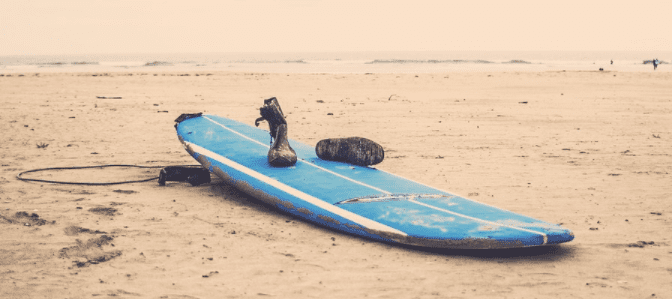

 The length and depth of these surfboards are fantastic. A long, thick surfboard offers greater buoyancy. These surfboards are not suitable for experienced surfers, but they are a great choice for beginners. According to the recommendations of surfing specialists, beginners should use pop exercises one and a half meters longer than their height. Foam boards are made so that their length is less critical, but it has usually been suggested that adults use an eight-foot long foam and should have six toes for children.
 Although it is legal to sell cigarettes in the United States, some laws must be followed when selling cigarettes online. Make sure you are familiar with these laws and ensure your business is compliant. Some of the most important rules to follow include those related to age verification and shipping. You must verify the age of all buyers before completing a sale and cannot ship cigarettes to anyone under the age of 18.
 Marketing is essential for any business, and this is especially true for an online cigarette business. It would be best if you market your business online and offline. Online, you can use social media platforms such as Facebook, Twitter, and Instagram to reach many people. You can also create a website or blog to post information about your products and services.
 The first thing you need to remember when building a successful hunting blind is finding the right location. You’ll want to look for an area with plenty of coverage, such as densely wooded or brushy fields. This will help ensure that you’re well hidden from prey while also providing some shade and protection from the elements.
 Once your blind is constructed and camouflaged, securing it properly is a must. This means using durable materials such as plywood or metal sheets to construct walls and securing these with nails or screws. You’ll also want to make sure that any windows or doors are securely closed when in use. This will help keep out wind and rain while keeping prying eyes from detecting your presence.